Careers
Part of A closer look at competitive intelligence
Competitive intelligence case studies: what separates the strong from the weak
Real competitive intelligence case studies show how Klue, Crayon and Klarivis teams separate verified competitor evidence from recycled claims.
What to take away
- Vendor case libraries are marketing assets. Klue, Crayon and Klarivis all publish them, and each one is written to sell software, so read it as a lead, not as proof.
- A strong competitive intelligence case study names a competitor, a decision and a date. A weak one names a category and a feeling.
- PepsiCo's 1975 Pepsi Challenge named Coca-Cola and dated the tests. Coca-Cola launched New Coke in April 1985 anyway.
- Copying a competitor's claim is the most common failure, and it is the easiest to catch before launch.
- Run one claim through a win/loss interview before you build messaging on it.
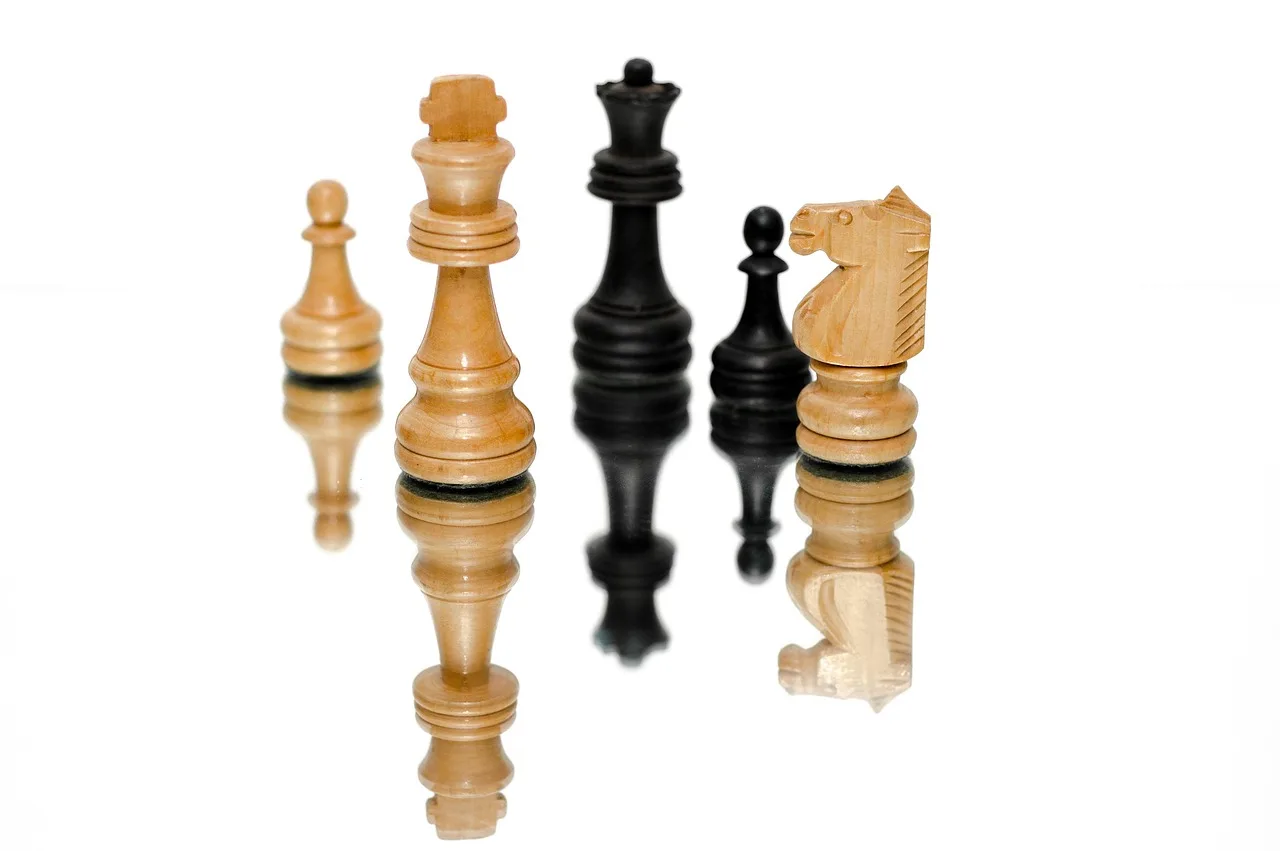
!Competitive intelligence team reviewing competitor claims and win/loss evidence before a launch decision
Worked example: testing one claim
A strong competitive intelligence case study names the competitor, the claim that was tested, who ran the test, and what changed afterward. Take a competitor claim you want to counter. "Our platform deploys in days, not months."
Testing one claim
The question
- Named competitor
- Which rival lost the deal?
- Tested claim
- What claim went on the record?
- Who ran the test
- Which team ran it, and how?
- What changed
- What moved, and by when?
Passing evidence
- Named competitor
- A company name, not "a leading vendor"
- Tested claim
- The competitor's wording, with a date
- Who ran the test
- Win/loss notes, not a vendor page
- What changed
- A number with a date attached
- Write the claim exactly as the competitor states it, with the date you saw it.
- Find three recent deals where deployment speed came up. Pull the actual timelines.
- Interview the buyer from each deal. Ask what they believed before the purchase and what changed after.
- Compare your timelines to the competitor's stated timelines. Note where your data is missing.
- Decidecounter the claim, qualify it, or leave it alone.
Step five is the one teams skip. Sometimes the honest answer is that the competitor is faster, and your message should move to something else.
The FTC advertising substantiation policy sets the US standard for objective claims: a reasonable basis before you publish. Your own counter-claim needs the same treatment you are demanding of the competitor.
Score one published vendor case against the table. The Klue customer story for Gong names Gong and Klue, and Klue's marketing team wrote it. It does not name the competitor Gong displaced, and it does not date the win, so one check of four is answerable from the page.
That gap is the norm. Competitor, claim and date come from your own win/loss interviews, where the buyer has no page to protect.
What a strong case contains
Klue publishes customer stories from Gong, Highspot and similar software firms, and its site lists Cisco, Zoom, Workday and UiPath among its customers.
Crayon runs a case library built around win/loss analysis and battlecard adoption, plus an annual State of Competitive Intelligence survey. Klarivis, a smaller French vendor, publishes cases in the same shape.
The Pepsi Challenge is the oldest example still taught. PepsiCo started blind sip tests in 1975 and put Coca-Cola's name in the ads. The competitor, the claim and the date all went on the record. The test never measured whether a shopper would switch brands in the aisle.
Coca-Cola ran its own program, usually reported at about 190,000 taste tests. New Coke reached shelves on April 23, 1985, and Coca-Cola Classic returned on July 11, 1985.
Four checks for a strong case
- Does the case name the competitor?
- Does it name the decision that changed?
- Does it give a date?
- Does it disclose the commercial relationship?
Most vendor cases fail at least one. That does not make them useless. It makes them a starting point for your own competitive intelligence program rather than a template you copy.
What a weak case contains
The weak case is a story about a category. "A leading SaaS company improved win rates by sharpening its messaging." No competitor named, no date, no measure.
Retellings of Blockbuster and Netflix usually land there. Netflix offered itself to Blockbuster for $50 million in 2000, and Blockbuster filed for bankruptcy protection in September 2010.
Kodak ran the same way for longer. Engineer Steven Sasson built a working digital camera prototype at Kodak in 1975, and the company filed for Chapter 11 in January 2012.
The bankruptcy dates come from the two companies' own filings. The $50 million offer comes from press accounts of the 2000 talks.
The failure mode underneath is copying. A team reads a competitor's homepage, lifts the phrasing, and ships it. The claim arrives without the evidence that supported it in the original, and now your sales team is repeating something it cannot defend.
Stale feature lists cause the same damage more slowly. A battlecard built in January is wrong by June, and nobody notices until a rep loses a deal to a capability the card said did not exist.
Where the evidence breaks
Reviews are the weakest input. A competitor's G2 or Capterra page shows what buyers complain about. It cannot show what they will pay for. The FTC guidance for marketers using reviews covers fake feedback, selective solicitation, conditioned incentives and hidden relationships.
Win/loss interviews are stronger, if you run them within a month of the decision. Memory fades, and the buyer's stated reason is often a polite version of the real one.
Court records are the other place competitive evidence surfaces. In August 2012 a San Jose jury ordered Samsung to pay Apple $1.05 billion after internal documents were read into the record.
Waymo sued Uber in February 2017 over lidar trade secrets, and the case settled in February 2018. Treat any competitor file as a document someone may quote.
Privacy limits what you can collect and keep. The W3C Privacy Principles statement warns against pushing privacy work onto individuals. If your research file holds named buyers, check the governing law and your consent basis before you share it.
For evaluation design, the GAO evaluation design guide connects questions to evidence needs. It was written for federal programs, so the causal standard is higher than yours. Use the structure, not the standard.
Common questions
What separates a strong competitive intelligence case study from a weak one?
A weak case names a category and an outcome with no way to check either. Grade the strong ones with the four checks in the table above.
Reading the product marketing strategy case studies for transferable lessons is a useful next step once you know what to look for.
Why is copying a competitor claim so damaging?
The claim arrives without the evidence that supported it in the original. Your sales team then repeats something it cannot defend, and the buyer who asks for proof gets nothing. Counter the claim with your own data or leave it alone.
How often should battlecards be rebuilt?
Whenever a competitor ships something material, and on a fixed review date regardless. Stale feature lists are the quiet failure: the card says a capability does not exist, a rep repeats it, and the deal is lost. Date every card and name its owner.
Where do win/loss interviews fit?
Run them within a month of the decision, while memory is fresh. Three interviews on one claim beats a survey of fifty. The pattern across those three tells you whether the claim is worth countering or worth conceding.